04 Feb 2026

More in Economy

NBI Denies Allegations of Illegal Detention and Covert Flight in Flood Control Scandal
The National Bureau of Investigation (NBI) has categorically denied accusations made by former Congressman Mike Defensor regarding the alleged unlawful detention, assault, and clandestine transportation of an aide linked to former Ako Bicol Partylist Representative Zaldy Co. Defensor, previously an Anakalusugan Representative, alleged that John Paul Estrada, an aide to Co, and Estrada’s pregnant wife were subjected to violence, illegal confinement by NBI operatives, and subsequently transported to Chile using falsified passports to obstruct Estrada from testifying in relation to a flood control scandal. Estrada came under scrutiny during a Senate Blue Ribbon Committee hearing when a witness asserted that he regularly received suitcases containing cash purportedly destined for Co. Responding to these allegations, the NBI issued a statement asserting, \"We categorically deny the claims that Mr. Estrada and his wife were beaten or harmed.\" The agency emphasized the absence of any complaints, medical documentation, or official reports supporting allegations of physical abuse. Additionally, the bureau refuted claims of unlawful custody, noting there are no records indicating Estrada or his wife were held by NBI personnel. The NBI also denied the assertion that the couple obtained false passports or were flown abroad to evade testimony. Labeling the accusations as \"unfounded, unsupported by evidence, and purely speculative,\" the NBI challenged Defensor to provide substantial proof to back his statements. \"We call on Mr. Defensor to present verifiable evidence, not hearsay, should he persist in making these accusations,\" the statement concluded. The situation remains under public scrutiny as the flood control scandal continues to unfold, with authorities urging transparency and evidentiary support for serious claims.
Economy
|2 min read

Super Typhoon Uwan Causes Over PHP4 Billion in Agricultural and Infrastructure Losses
The National Disaster Risk Reduction and Management Council (NDRRMC) reported on Monday that Super Typhoon Uwan inflicted more than PHP4 billion in damages to agriculture and infrastructure. The agency's recent situational update detailed agricultural losses amounting to PHP1.79 billion, while infrastructure damage reached PHP2.27 billion. The powerful cyclone, which swept through Luzon and parts of Visayas earlier this month, impacted 12,993 farmers and fisherfolk, damaging 9,677.93 hectares of farmland. Of this, 7,222.45 hectares are partially recoverable, whereas 2,454.78 hectares suffered total destruction. The estimated production loss stands at approximately 89,201.53 metric tons. In addition to agricultural losses, Uwan damaged 266,675 houses across 14 regions, with 25,279 categorized as completely destroyed. The affected population includes 1,954,307 families, equivalent to around 6.9 million individuals, residing in 14,454 barangays spanning 16 regions. As of Monday morning, 108,426 families are currently receiving aid inside 5,092 evacuation centers, while another 37,400 families are being assisted outside these centers. The NDRRMC also confirmed that casualties are under review, with 26 deaths, 47 injuries, and 2 persons reported missing as a result of the typhoon.
Economy
|1 min read

Leptospirosis Cases Surge in Cebu Amid Post-Flood Health Concerns
A significant increase in leptospirosis cases has been reported across Cebu Province following recent flooding, raising alarms over potential public health risks in the aftermath of natural disasters. Between November 1 and 14, 2025, the Cebu Provincial Health Office (CPHO) confirmed 23 new leptospirosis infections — a sharp rise compared to previous months, according to data validated by the Department of Health (DOH) Region 7. The infections were primarily concentrated in several key areas, including Talisay City with eight cases, Consolacion with six, and Asturias and Liloan accounting for two each. Additionally, towns such as Argao, Balamban, Danao City, Medellin, and Sibonga each reported a single confirmed case. Authorities are also closely monitoring multiple suspected cases and one possible fatality in Balamban and Bogo City that remain under investigation. Leptospirosis, a bacterial infection transmitted through water contaminated by animal urine—commonly rats—is endemic in regions with poor sanitation. Flooding exacerbates this risk by dispersing contaminated water across communities. Dr. Josephine Arsenal, Head of the CPHO, pointed out the concerning surge: "The 23 confirmed cases in just two weeks represent nearly 25 percent of all leptospirosis cases recorded during the entire previous ten months." She also reminded the public about the disease’s severity, noting that 11 deaths were recorded from January to October 2025 alone. Public health officials emphasize that the increased exposure to floodwaters during cleanup efforts put residents at heightened risk. Dr. Arsenal underlined, "Infection can occur even without visible wounds, so anyone who has come into contact with flood or dirty water should be vigilant and proactive in seeking treatment." Health Consultant Nicole Catalan warned about the potential strain this outbreak places on healthcare infrastructure, particularly relating to dialysis services needed for severe leptospirosis cases. "We face another public health challenge where treatment resources such as hemodialysis equipment may become overwhelmed," she stated. To combat the outbreak, the provincial government has launched a preventive campaign distributing doxycycline, an antibiotic effective against leptospirosis if administered promptly. Approximately 10,000 tablets have been disseminated to local government units, rural health centers, and hospitals in areas heavily affected by flooding. Dr. Arsenal stressed the importance of medication adherence, recalling a suspected fatality linked to failure to take the prophylaxis: "We should not delay. Prophylactic treatment is critical and must not be ignored." Infectious disease specialist Dr. Christina Tan Bonghanoy explained the medication’s role, noting, "Doxycycline is commonly used for infections including leptospirosis. It is most effective when taken within 24 to 72 hours after exposure to contaminated water." Plans are underway to deliver an additional 40,000 doxycycline tablets to municipalities throughout Cebu as authorities anticipate continued case increases during ongoing community recovery efforts. This surge highlights the need for an integrated disaster response that couples immediate physical relief with robust public health measures. Experts advocate for enhanced rodent control, improved sanitation, and continuous training for municipal health workers to mitigate risks in future flood events. As Cebu navigates this secondary health crisis, officials continue to monitor cases closely and allocate resources to manage severe patients. The unfolding situation underscores the complex challenges posed by natural disasters, where environmental impacts rapidly translate into public health emergencies requiring swift, coordinated intervention.
Economy
|3 min read
DEPDev to Develop River Basin Master Plan by Next Year to Enhance Flood Control
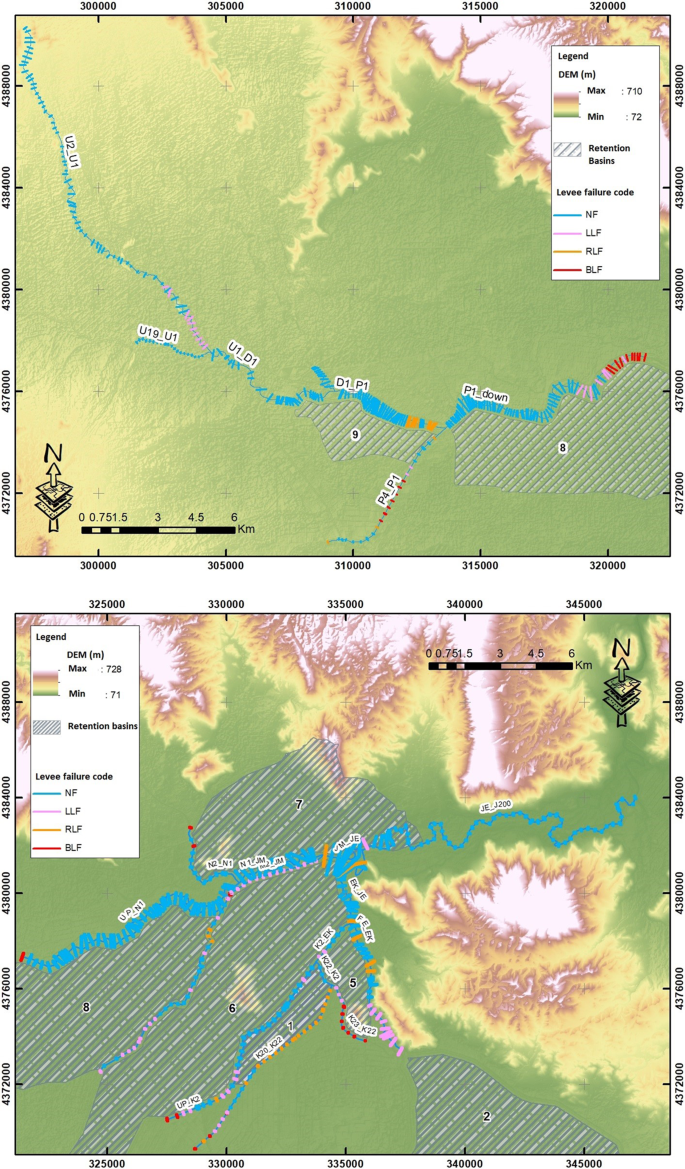
The Department of Economy, Planning and Development (DEPDev) is set to formulate a river basin master plan by next year, Senate Finance Committee chairman Sherwin Gatchalian revealed on Monday, November 17. During the budget deliberations for the proposed 2026 national budget, Gatchalian, who sponsored DEPDev's budget, addressed inquiries from Senator Risa Hontiveros regarding the agency's strategies to mitigate infrastructure damages caused by severe flooding. Senator Hontiveros questioned whether DEPDev would consider allowing natural river flow instead of restricting waterways or enhancing upstream swamp water retention to better cope with typhoon-induced floods. Responding, Gatchalian confirmed that releasing a master plan focused on each river basin is a priority for the agency in the upcoming year. He stated, "With regards to the river basin master plan, that is the plan of DEPDev for the coming New Year to release new master plans." He further explained that the agency will lead these efforts on a per-river basis to guide flood control projects. Acknowledging the scope of the task, Gatchalian expressed optimism given that similar initiatives were commenced in previous administrations and now require updating. "That’s a big endeavor, but I believe it was started before and simply needs to be modernized," he added. When Senator Hontiveros asked about the possibility of instituting mandatory insurance against flood-related damages, Gatchalian said such a project has not yet been initiated by DEPDev. However, he noted that the agency could explore integrating insurance coverage for flood-prone and climate-vulnerable areas in the future. Gatchalian also highlighted the expectation that Secretary Arsenio Balisacan will conduct a comprehensive review of infrastructure susceptible to disaster impacts, particularly school buildings which often suffer during calamities. Furthermore, Hontiveros emphasized the importance of collaboration with the Department of Environment and Natural Resources (DENR), which advocates for nature-based solutions to reduce the adverse effects of natural disasters. "I hope DEPDev will champion these river basin master plans in partnership with DENR to, if not completely prevent, at least mitigate future disaster impacts," she remarked. Gatchalian concurred, pointing to the recent devastation caused by super typhoons Tino and Uwan, notably in Cebu, as a wake-up call for stronger government action. He assured that master planning is a mandated function of DEPDev, established by law to coordinate and assist relevant agencies in these efforts. "Secretary Balisacan told me that master planning is part of DEPDev’s charter, so they are legally tasked to spearhead and support agencies in developing these plans," he confirmed.
Economy
|3 min read
Japan's Economy Contracts Nearly 2% Amid US Tariff Impact and Regulatory Changes
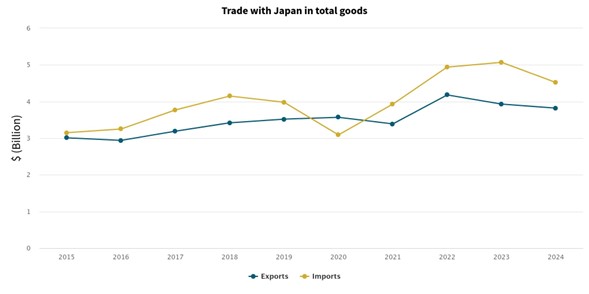
Japan's economy experienced a 1.8% decline in gross domestic product during the third quarter, government data revealed on Monday, marking the first contraction in six quarters. This contraction was primarily driven by a decrease in exports, exacerbated by US tariffs, alongside slowed housing investments due to new energy-efficiency regulations. Automaker shipments fell sharply, reversing previous export surges made ahead of the tariff impositions. While the new baseline 15% US tariff on most Japanese goods—including autos—has weighed on trade, companies largely mitigated the impact by reducing prices. "The GDP decline largely stems from temporary factors such as regulatory shifts affecting housing investment," explained Kazutaka Maeda, an economist at Meiji Yasuda Research Institute. "Exports also responded to external pressures. Although growth momentum remains weak, the outlook points to a gradual economic recovery over the next year or two." Private consumption rose modestly by 0.1%, in line with expectations but below the previous quarter’s 0.4% increase, reflecting caution among consumers amid higher food prices. Capital expenditure, by contrast, grew by a robust 1%, surpassing forecasts and sustaining growth momentum. Economic revitalization minister Minoru Kiuchi commented, "Private consumption has increased for six consecutive quarters, and capital spending has risen for four quarters, confirming our belief that the economy is on a moderate recovery path." Despite the slowdown, economists do not anticipate substantial changes to monetary policy based on the latest GDP figures alone. However, Takuji Aida, the chief economist at Credit Agricole and advisor to Prime Minister Sanae Takaichi, cautioned that the Bank of Japan should avoid raising interest rates in December given the economic contraction. In response to the economic challenges and rising living costs, the government is preparing a significant stimulus package estimated to exceed ¥17 trillion (approximately $110 billion). Finance Minister Satsuki Katayama indicated that measures to improve real income for households would be rolled out between late winter and spring. Nomura Securities economist Uichiro Nozaki noted, "These fiscal measures are expected to support consumption through the first half of next year, providing a positive underpinning for economic growth." Looking ahead, analysts surveyed by the Japan Center for Economic Research forecast a 0.6% economic expansion in the final quarter of 2023, signaling optimism for a rebound following the recent downturn. ($1 = 154.63 yen)
Economy
|2 min read

DSWD Urges Public to Support Indigenous Peoples and Street Families Through Organized Programs, Not Alms
The Department of Social Welfare and Development (DSWD) issued a reminder on Tuesday, November 18, urging the public not to hand out alms directly to indigenous peoples (IPs), children, and families living on the streets, especially during the holiday season. Instead, the agency encourages support through structured programs designed to protect these vulnerable populations and assist them in transitioning out of street conditions. "We acknowledge that many citizens wish to extend help to our IPs and street children during this season. However, we appeal to everyone to refrain from giving alms directly and to support assistance in an appropriate manner," stated DSWD Assistant Secretary and spokesperson Irene Dumlao. Dumlao emphasized participation in the DSWD’s Pag-Abot Program, which organizes outreach activities aimed at shielding IPs and families in street situations (FISS) from the dangers associated with street begging. This initiative offers both immediate relief and long-term support to promote a dignified and sustainable lifestyle away from the streets. The Pag-Abot Program operates a processing center located in the Nasdake Building, Pasay City. The site also hosts the "Walang Gutom Kitchen," which provides hot meals to beneficiaries reached by the program. "We also invite fellow citizens and private organizations to support our Walang Gutom Kitchen through food donations and volunteering their time to assist those we have reached out to on the streets," Dumlao added. Since its inception, the Pag-Abot Program has profiled approximately 14,000 individuals and extended assistance to about 8,000 families and individuals, reinforcing its commitment to foster lasting social welfare.
Economy
|2 min read
Negros Occidental Assures Adequate Rice Supply Despite Typhoon Tino Damages
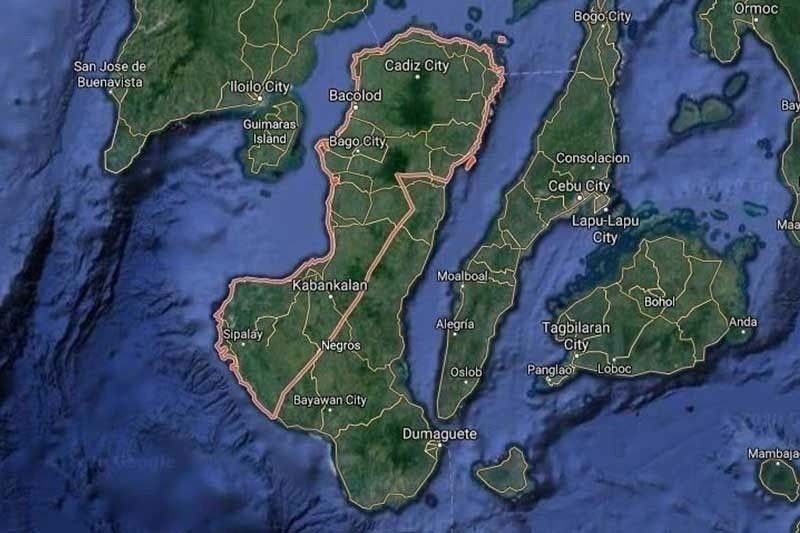
The Department of Agriculture–Negros Island Region (DA-NIR), under the leadership of OIC-Regional Executive Director Engr. Jose Albert Barrogo, has collaborated with the Negros Occidental Accredited Seed Producers Cooperative (NOASEPCO) to distribute 20 sacks of rice to farmers in La Castellana on November 11. This initiative followed the devastation caused by Typhoon Tino. Despite significant agricultural damage, officials emphasized that Negros Occidental's rice supply remains ample due to an early harvest ahead of the typhoon and the approaching holiday season. Engr. Barrogo stated, \"Most of our rice harvest occurred before Typhoon Tino struck. However, approximately 1,000 hectares of rice fields, particularly in San Carlos City—the last area to harvest—suffered damage.\" Usually, the province's palay (unmilled rice) harvest peaks during the "ber" months, especially from September to October. The Provincial Disaster Risk Reduction and Management Office (PDRRMO) reported that Typhoon Tino caused over ₱158 million in agricultural losses. Of that amount, more than ₱105 million pertained to rice damage, impacting 2,601 hectares across 205 barangays and affecting 3,547 rice farmers. Despite the ongoing rice importation ban nationwide, enacted since September under Presidential Executive Order 102 to support local farmers during harvest season and extended until year's end, local palay prices remain low. Traders reportedly purchase palay at ₱11 to ₱13 per kilogram, rates insufficient for farmers to recuperate their production costs. This situation highlights the challenges faced by Negros Occidental farmers even as local agencies work to mitigate the typhoon's impact and stabilize supply amid economic constraints.
Economy
|2 min read

Southeast Asian Maritime Leaders Forge Stronger Alliance Against Human Trafficking and Regional Threats
The Philippines emphasized the urgent need to combat human trafficking during the Southeast Asia Maritime Law Enforcement Initiative (SEAMLEI) Commanders Forum held in Manila, where top maritime officials from across the region gathered to enhance collaborative efforts. Philippine Coast Guard (PCG) Commandant Admiral Ronnie Gil Gavan identified trafficking as a pressing regional challenge that demands unified action to dismantle illicit recruitment networks exploiting Filipinos and other vulnerable populations within ASEAN. As this year’s host, the PCG brought together senior representatives from Indonesia, Malaysia, Thailand, Vietnam, the Philippines, and the United States to discuss strategies aimed at strengthening information exchange, coordinated patrols, and aligned enforcement measures. Admiral Gavan stressed that such coordination is critical not only to intercept trafficking operations but also to combat related transnational crimes like drug smuggling and maritime illicit trade. He remarked, "Cooperative efforts among nations provide the best chance to prevent or stop our citizens from falling prey to these harmful networks." In addition to trafficking issues, the forum addressed growing concerns over coercive actions in the South China Sea. Admiral Gavan advocated for establishing standardized rules and operational protocols across ASEAN coast guards to deter destabilizing activities by external actors, implicitly referencing China's assertive maritime behavior, including the use of water cannons and militarized installations in contested areas. Reaffirming commitment to regional security, U.S. Rear Admiral Jeffrey Novak pledged ongoing support through training and joint operations aimed at maintaining maritime stability and upholding a rules-based order in Southeast Asian waters. The forum underscored the collective responsibility of Southeast Asian nations and their allies to safeguard their maritime domains and protect vulnerable communities from criminal exploitation.
Economy
|2 min read

Twelve Communist Rebels Surrender in Maguindanao del Sur, Signaling Decline in Insurgency
In a significant development marking the diminishing influence of a half-century communist insurgency, twelve rebels surrendered in separate events across Maguindanao del Sur. On November 17, ten of these individuals turned over more than ten high-powered weapons, including a rocket-propelled grenade, a 60-mm mortar, and nine additional firearms. This surrender took place in Barangay Kabinge, Datu Saudi Ampatuan, facilitated by the 90th Infantry (Bigkis-Lahi) Battalion. The operation was carried out in collaboration with the 65th Infantry Battalion, 6th Civil-Military Operations Battalion, the Philippine National Police (PNP), and local government units from Datu Abdullah Sangki, Datu Unsay, Datu Hoffer, Shariff Aguak, Datu Saudi Ampatuan, and Ampatuan. The returning rebels were formally presented to Brigadier General Edgar Catu, commander of the 601st Brigade, alongside local officials led by Mayor Bassir Utto of Datu Saudi Ampatuan. This event is viewed by military authorities as a clear indication of the declining capacity of the insurgency, which has persisted for over 50 years.
Economy
|1 min read

Philippine Peso Expected to Stabilize Around 58 Despite Recent Volatility
MANILA – The Philippine peso is anticipated to remain stable around the 58 level against the US dollar this year and into 2026, even after recent fluctuations approaching the 59 mark. Corrie Purisima, Treasurer and Head of Markets and Security at HSBC, shared insights during the Makati Business Club’s year-end review and 2026 outlook event, "Beyond the Numbers," in Makati City. Drawing from their economist’s forecast, she highlighted that further depreciation to 60 is unlikely. "We expect the peso to hover around the 58 level in the near term. This is primarily due to anticipated declines in import volume as infrastructure spending slows, reducing downward pressure on the currency," Purisima explained. She added that slower imports will be balanced by consistent inflows from the business process outsourcing (BPO) sector and remittances sent by overseas Filipino workers, which collectively reach approximately USD 35 to 36 billion annually. "These stable inflows continue to support currency stability," she noted. However, Purisima acknowledged ongoing currency pressures linked to the Bangko Sentral ng Pilipinas’s dovish monetary policy stance, which includes possible rate cuts of 25 basis points next month and another in the following year. Furthermore, she cited risks of a stronger US dollar, influenced by decreasing odds of Federal Reserve rate reductions amid persistent inflation concerns. "These factors should balance out, maintaining the peso near the 58 mark for the year," she added. Karl Chua, Managing Director of Ayala Corporation, also weighed in during the event, endorsing the Bangko Sentral’s approach of allowing market forces to determine the peso’s trajectory. "Maintaining a free-floating exchange rate based on supply and demand is a prudent policy," he stated. Chua acknowledged that certain sectors, including exporters and importers, may face challenges but emphasized the importance of focusing on the real exchange rate adjusted for inflation and productivity rather than the nominal rate. Meanwhile, Nicholas Mapa, chief economist and market strategist at Metropolitan Bank & Trust Company (Metrobank), projected a generally weak US dollar through 2026, influenced by the Federal Reserve’s anticipated rate-cutting cycle. Nonetheless, he cautioned that Philippine-specific dynamics, such as projected current account deficits in 2026 and 2027, could sustain pressure on the peso. "While the peso may experience some depreciation, external and domestic factors will ultimately shape its trajectory," Mapa concluded.
Economy
|2 min read